
HOME / SERVICES / DATA ENGINEERING
DATA ENGINEERING SERVICES
Data Engineering Services for Reporting You Can Trust
Most “data problems” aren’t really dashboard problems. They’re plumbing problems. Data engineering is the layer underneath everything else we build: the pipelines, warehouses, and integrations that decide whether the numbers on your reports can actually be trusted on a Monday morning.
4.2M
ROWS LOADED / 24H
0
FAILED RUNS THIS WEEK
06:00
DAILY REFRESH
OVERVIEW
What is data engineering?
Data engineering is the work of collecting data from the systems your business runs on, cleaning it, and storing it somewhere that reporting and analysis can use reliably. It covers the pipelines that move data, the warehouse or lakehouse that holds it, and the checks that make sure it is complete and correct.
For most growing companies in the US, UK and Europe, the data already exists. It sits in a CRM, an ERP, a finance package, a handful of marketing platforms and a shared drive full of spreadsheets. What’s missing is the layer that brings it together. Without it, every report starts with someone exporting CSV files, pasting them into a workbook and hoping nothing changed since last month.
Our data engineering services replace that manual work with automated, documented pipelines on the Microsoft data platform (Azure and Microsoft Fabric) and Databricks. The goal is not engineering for its own sake. It is a foundation that makes your dashboards accurate, your forecasts credible, and your month-end close far less painful.
Signs your business needs data engineering
- Your weekly report takes hours to build because data has to be exported and pasted together by hand.
- Two reports show different revenue or customer numbers, and nobody can say which one is right.
- Dashboards break whenever a source system renames a column or an export fails to arrive.
- Your data lives across a CRM, an ERP and spreadsheets, with no single place to query all of it.
- You’re planning to move off on-premises servers or legacy databases and into the cloud.
- You want to start forecasting or machine learning, but your historical data is incomplete or inconsistent.
Recognize two or more of these? Book a free consultation.
HOW WE WORK
How we deliver data engineering projects
01
Mapping where your data actually lives
Before writing a single pipeline, we map out the CRMs, spreadsheets, product databases and third-party APIs your business already runs on. Almost every “the numbers don’t match” complaint traces back to a source nobody mapped in the first place.
02
The pipelines we build
From there we build pipelines that move data on a schedule you control, into a warehouse structured around the questions your team actually asks, not a generic schema copied out of a tutorial.
03
Tested and monitored
Every pipeline ships with data quality checks and failure alerts, so a broken load or an unexpected drop in row counts is flagged before anyone opens a report built on it.
04
Built so you're not locked in
Everything is documented well enough that your analytics team, ours or yours, can build on top of it without needing to call us first.
WHAT YOU GET
- A documented map of your data sources and how they connect
- Automated ETL/ELT pipelines running on a schedule you control
- A cloud data warehouse or lakehouse modeled for reporting
- Data quality checks and alerts on business-critical pipelines
- Written documentation and a handover session for your team
TECH STACK
We build primarily on the Microsoft data platform and Databricks, and we start from the tools you already use rather than asking you to replace them.
- Microsoft Azure
- Azure Data Factory
- Microsoft Fabric
- Databricks
- SQL
- Python
ONGOING SUPPORT
Ongoing data engineering support
Pipelines need looking after once they’re live. Source systems change, new tools get added and data volumes grow. After handover we can stay on to monitor pipeline runs, fix failures, add new data sources and keep the documentation current, so your reporting stays reliable without you having to hire a full data team. If you’d rather run everything in-house, the documentation is written so your team can do exactly that.
Data Engineering Expertise Built Around Your Industry
Every industry generates data differently. We build pipelines around how yours actually moves, not a generic schema.
COMMON QUESTIONS
Data Engineering FAQs
- Do we have to replace the systems we already use?
- No. We start by mapping the CRMs, spreadsheets, product databases and third-party APIs your business already runs on, and build pipelines around those. Almost every “the numbers don’t match” complaint traces back to a source nobody mapped in the first place.
- Our reporting is stitched together from CSV exports. Is that a problem?
- It is the usual starting point. Exports break quietly — someone renames a column, a file doesn’t land, and the report is wrong before anyone notices. Pipelines move the same data on a schedule you control instead.
- What is the difference between ETL and ELT?
- ETL transforms data before loading it into the warehouse; ELT loads the raw data first and transforms it inside the warehouse. Cloud platforms like Microsoft Fabric and Databricks make ELT the usual choice today, but we pick whichever fits your data volumes, tools and team.
- Which platforms do you build on?
- Mostly the Microsoft data platform — Azure, Azure Data Factory and Microsoft Fabric — plus Databricks, with SQL and Python for transformations. If you already run on something else, we look at what you have before recommending any change.
- Do we need this before we can have dashboards?
- Not always. If the data you already hold is reliable enough to report on, analytics can start straight away. Engineering is the answer when reporting keeps breaking because of what sits underneath it.
- How do you handle data security and access?
- Pipelines run inside your own cloud environment wherever possible, access is limited to the people who need it, and data handling is set up with GDPR and your internal policies in mind.
- Do you offer support once the pipelines are live?
- Yes. Ongoing support covers pipeline monitoring, fixing failures, adding new data sources and keeping documentation up to date. It is optional — everything is documented so your own team can take over if you prefer.
- Will we be locked into working with you afterwards?
- No. Everything is documented well enough that your analytics team, ours or yours, can build on top of it without needing to call us first.
CASE STUDIES
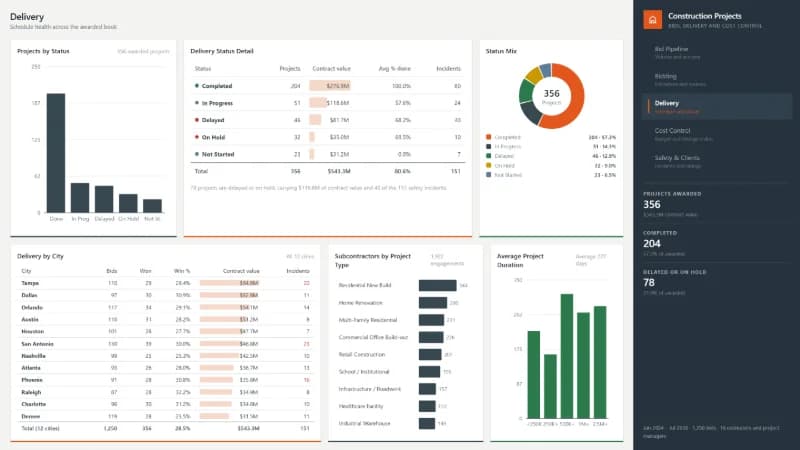
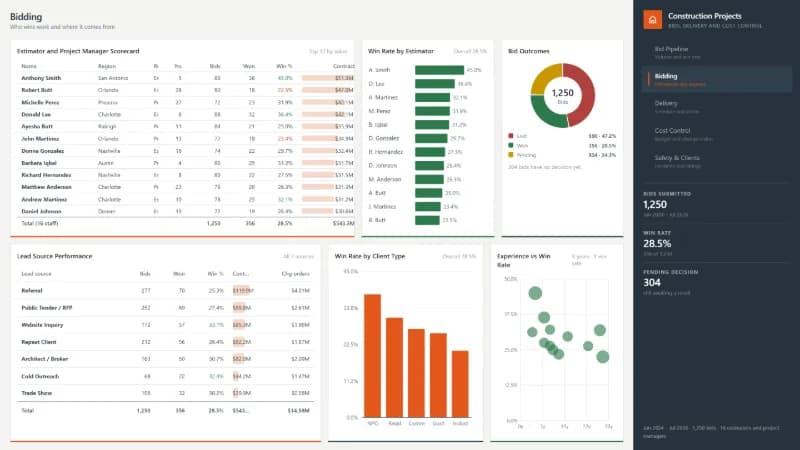
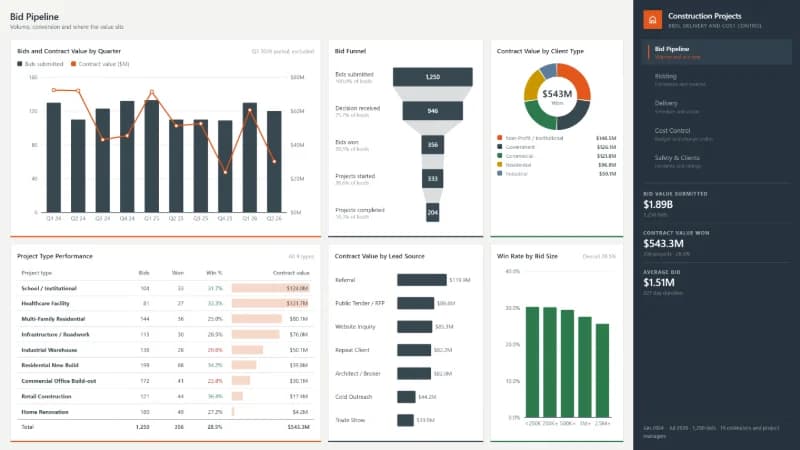
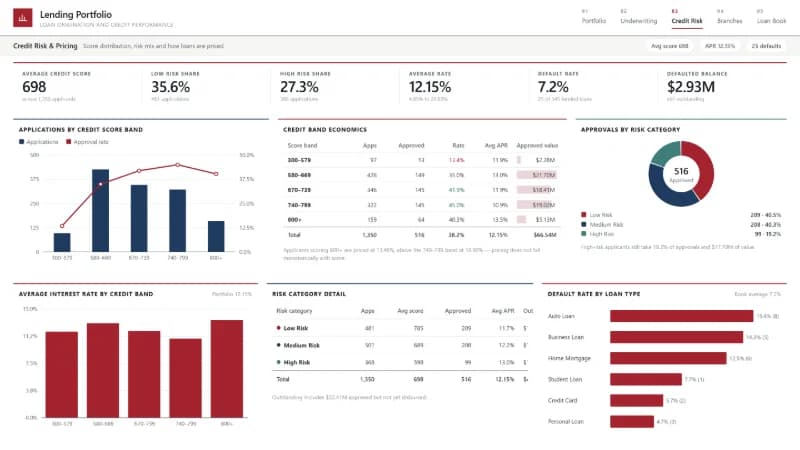
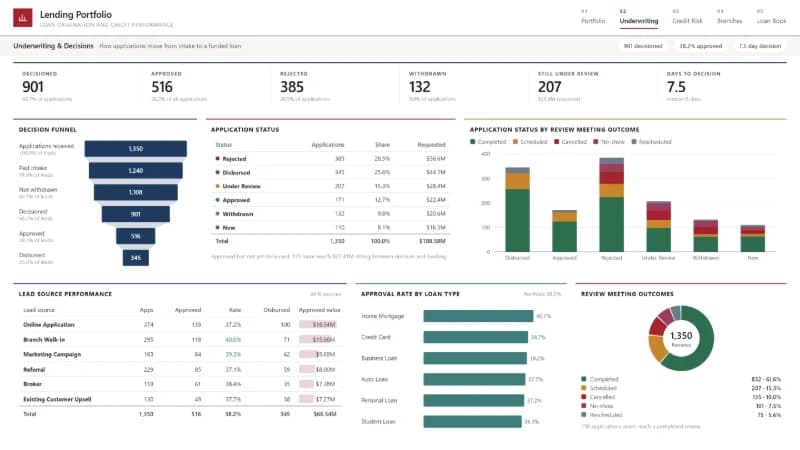
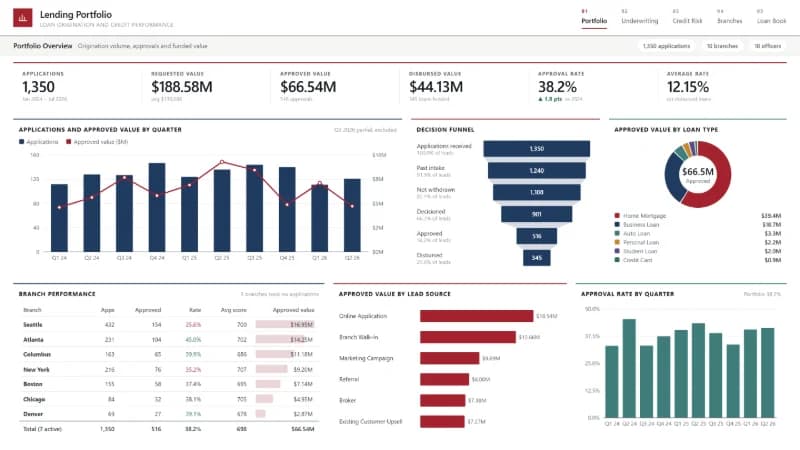
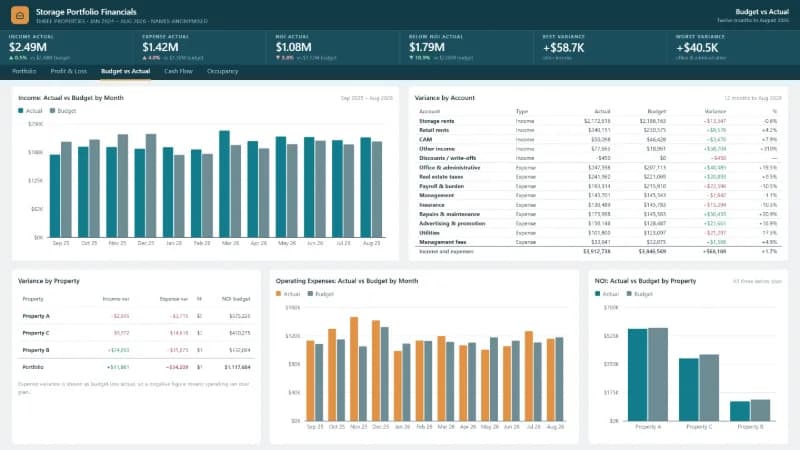
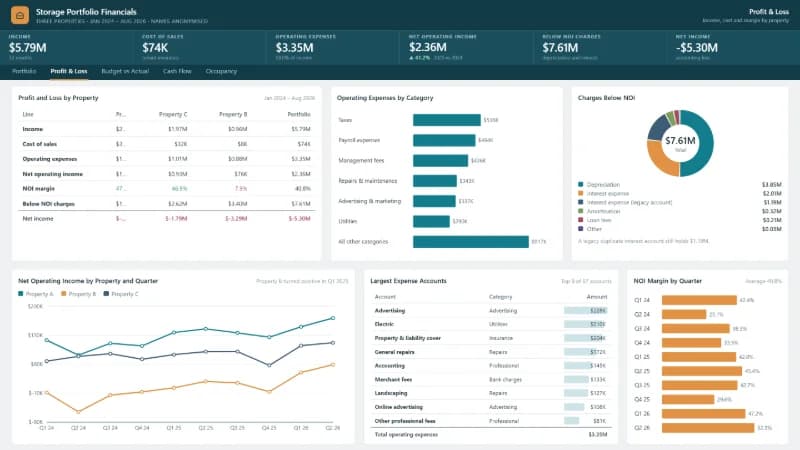
Data Engineering in real reports
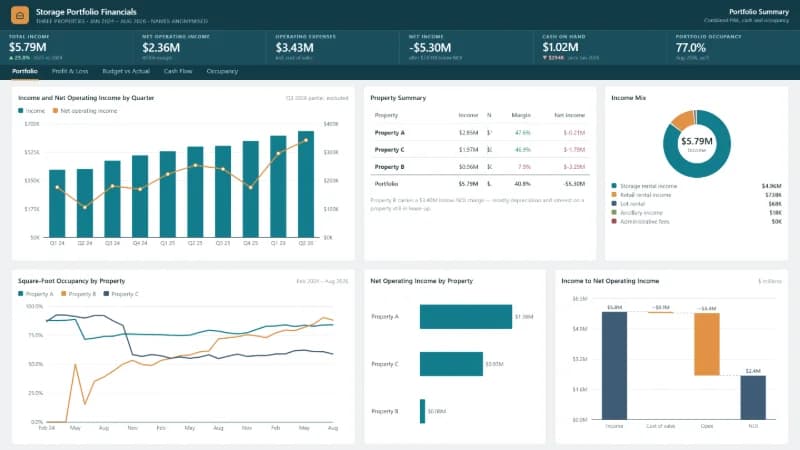
Published work where this service did the heavy lifting. Each case study walks through the five pages of the report and the figures behind them.
WHO THIS IS FOR
This is the starting point if your reporting keeps breaking because it's stitched together from CSV exports, or if you're ready to get off spreadsheets before adding a dashboard layer on top.
Talk about your pipelinesOTHER SERVICES