
HOME / SERVICES / DATA SCIENCE
DATA SCIENCE SERVICES
Data Science & Predictive Analytics Services
Analytics tells you what happened last quarter. Data science is what lets you stop finding out after the fact: forecasting, machine learning and statistical models built on top of the pipelines and dashboards you already have, or that we build alongside them.
6.4%
FORECAST ERROR (MAPE)
2Q
PLANNING HORIZON
1
QUESTION PER MODEL
OVERVIEW
What is data science consulting?
Data science consulting applies statistics and machine learning to your business data to predict what is likely to happen next, rather than only reporting on what already happened. Typical projects include demand forecasting, churn prediction, lead scoring, customer segmentation and recommendation engines.
The hard part is rarely the algorithm. It is choosing a question worth answering, making sure the historical data can support it, and putting the result somewhere people will use it. Plenty of models get built, score well in a notebook, and are never looked at again.
We approach predictive analytics the same way we approach dashboards: start from a decision, build the simplest thing that improves it, and deliver it inside the tools your team already uses, often as a forecast or score surfaced in Power BI. Models are built in Python on Databricks, Microsoft Fabric or Azure, depending on your stack.
Signs you’re ready for data science
- You have a couple of years of reliable historical data and want to plan ahead with it.
- Stock, staffing or budget decisions rely on last year’s numbers plus a gut-feel adjustment.
- Customers leave without warning, and you’d like to see churn risk before it happens.
- Your sales team has more leads than time and no consistent way to prioritize them.
- Every customer gets the same treatment because there’s no clear way to segment them.
- Repetitive, text-heavy work such as tickets, emails or reviews eats up hours every week.
Recognize two or more of these? Book a free consultation.
HOW WE WORK
How we deliver data science projects
01
When a model is actually worth building
We only recommend one once a simpler dashboard or a plain business rule genuinely can’t answer the question. Forecasting earns its cost when the pattern in the data is real, not because it sounds more advanced than a KPI.
02
Forecasts scoped to one real question
From there we build forecasting and machine learning models scoped to a specific business question: demand next quarter, which customers are about to churn, which leads are worth calling first. Not an open-ended research project with no ship date.
03
Measured against a baseline
Every model is compared with a simple benchmark, such as last year’s figures or an existing rule of thumb, before it goes live. If it doesn’t beat that baseline by enough to matter, we tell you.
04
Deployed where your team will use it
Models go somewhere your team can actually reach them day to day, with the assumptions written down so results don’t quietly go stale six months later.
WHAT YOU GET
- A scoped problem statement tied to a specific business decision
- A validated model, with accuracy measured against a simple baseline
- Forecasts or scores delivered into Power BI, your CRM or another everyday tool
- Documented assumptions, features and retraining steps
- A handover session on how to read and act on the output
TECH STACK
Models are built in Python and run where your data already lives, with results surfaced in the reporting tools your team opens every day.
- Python
- Databricks
- Microsoft Fabric
- Microsoft Azure
- Power BI
- SQL
ONGOING SUPPORT
Ongoing model monitoring and support
Models drift. Customer behavior shifts, markets move, and a forecast that was accurate last spring can quietly lose its edge. Our ongoing support includes monitoring model accuracy, retraining on fresh data, fixing inputs when source systems change, and extending the work to new questions once the first model has proven its value.
Data Science Expertise Built Around Your Industry
A forecasting model tuned for retail demand won't work for hospital patient flow. We scope every model to how your industry actually behaves.
COMMON QUESTIONS
Data Science FAQs
- What is the difference between data science and data analytics?
- Data analytics explains what happened and why, usually through dashboards and reports. Data science uses statistics and machine learning to predict what is likely to happen next. Most businesses get more value from analytics first, then add data science once the reporting is reliable.
- When is a forecasting model actually worth building?
- Once a simpler dashboard or a plain business rule genuinely cannot answer the question. Forecasting earns its cost when the pattern in the data is real, not because it sounds more advanced than a KPI.
- What do we need in place first?
- Reliable historical data. A model learns from what already happened, so if the reporting underneath cannot be trusted, the forecast inherits exactly the same problems.
- How much historical data do we need for forecasting?
- It depends on the pattern you’re predicting. For anything seasonal, at least two full cycles — usually two years — is a sensible minimum. We check what you have during the consultation and tell you plainly if it isn’t enough yet.
- What does a project look like in practice?
- Scoped to one specific business question — demand next quarter, which customers are about to churn, which leads are worth calling first. Not an open-ended research project with no ship date.
- Can you build AI automation with large language models?
- Where it fits the problem, yes: classifying and summarizing text, routing requests, or extracting fields from documents. It has to pass the same test as any model — beating the simpler option by enough to be worth running.
- How does the team actually use the output?
- Models go somewhere your team can reach them day to day, with the assumptions written down so the results don’t quietly go stale six months later.
- Do you support models after they are deployed?
- Yes. Ongoing support covers accuracy monitoring, retraining on new data and fixes when source data changes. Assumptions are documented either way, so your team can maintain the model in-house if you prefer.
CASE STUDIES
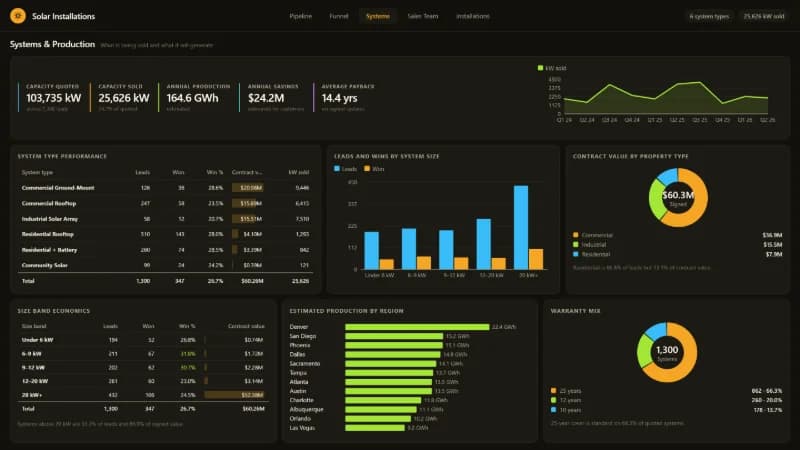
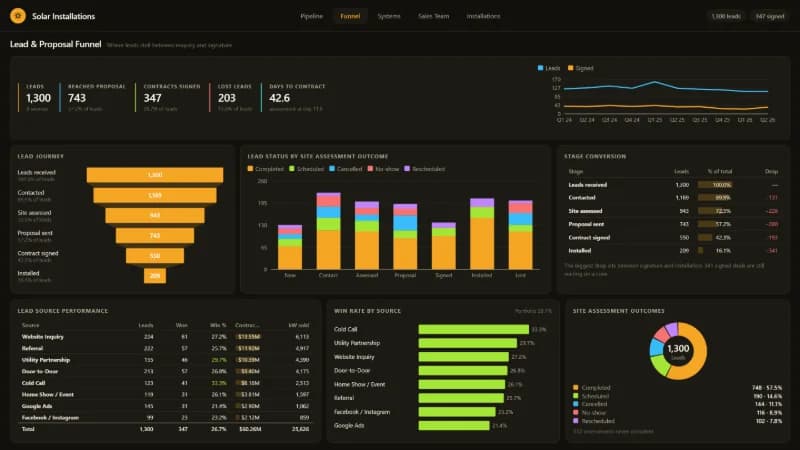
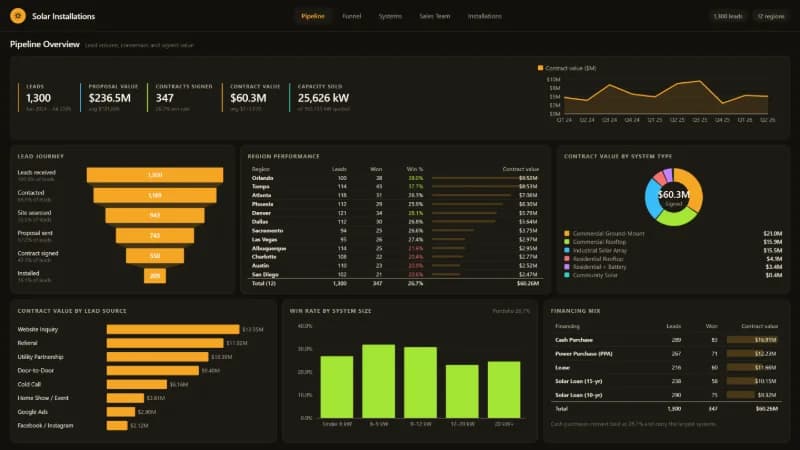
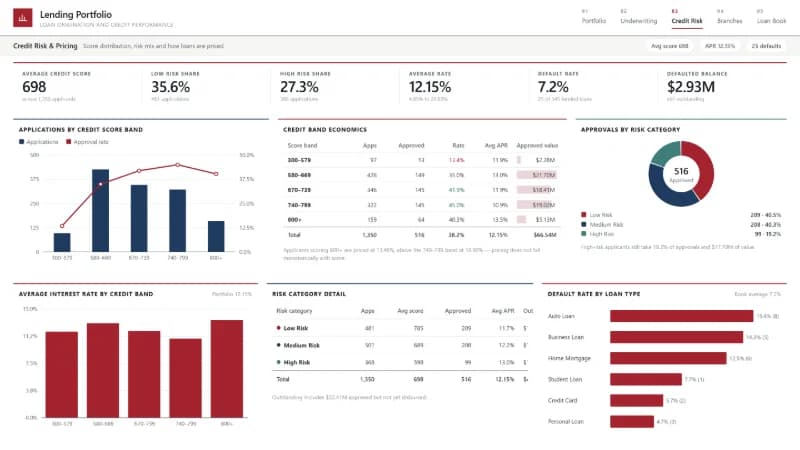
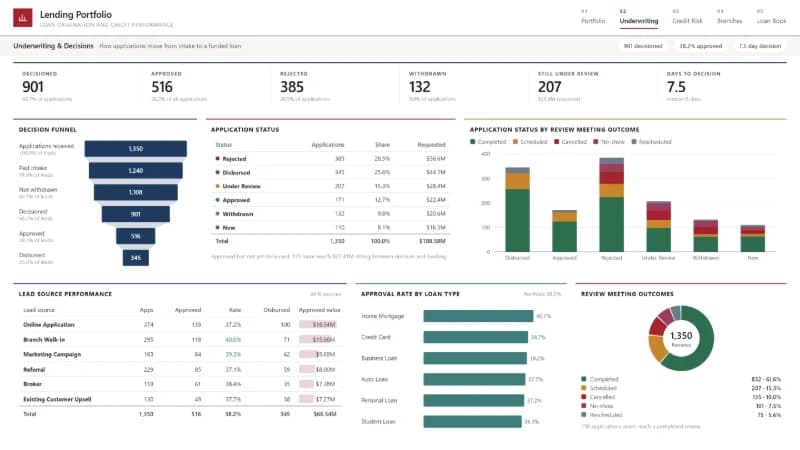
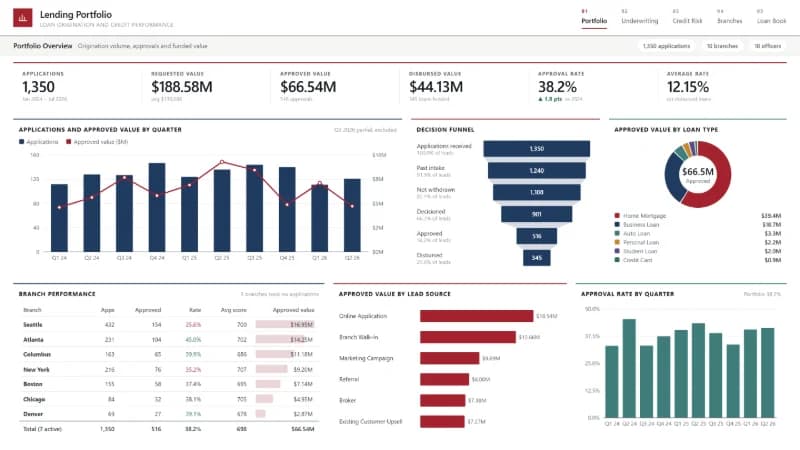
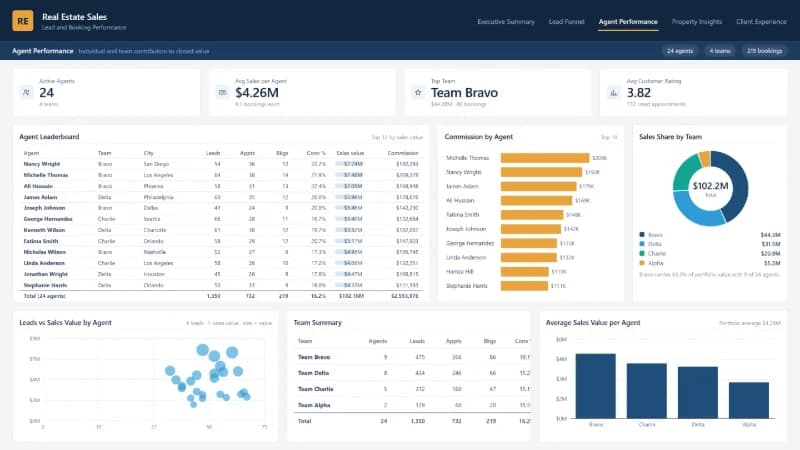
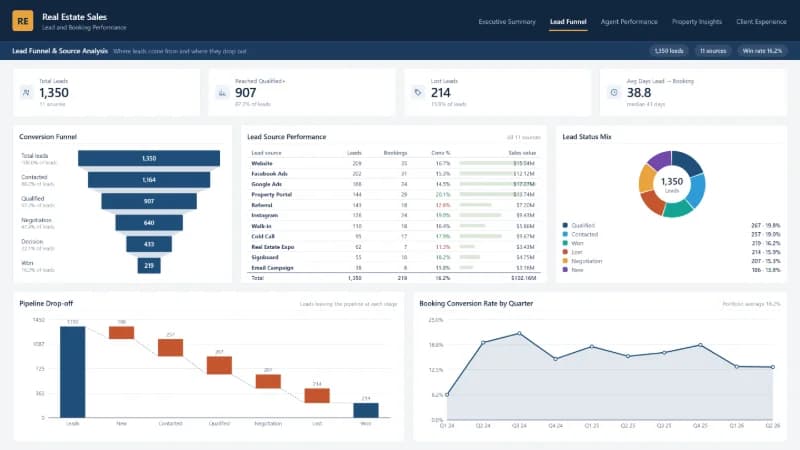
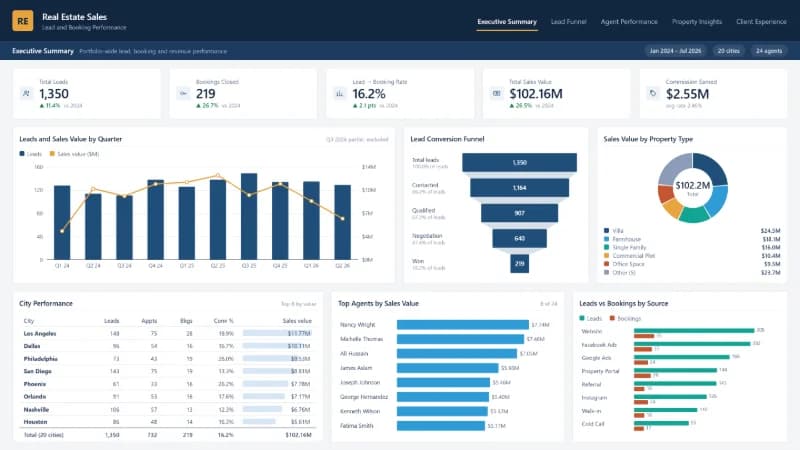
Data Science in real reports
Published work where this service did the heavy lifting. Each case study walks through the five pages of the report and the figures behind them.
WHO THIS IS FOR
Worth exploring once you have reliable historical data and you're ready to move past reporting on what already happened and into predicting what's next.
Talk about your forecastingOTHER SERVICES